
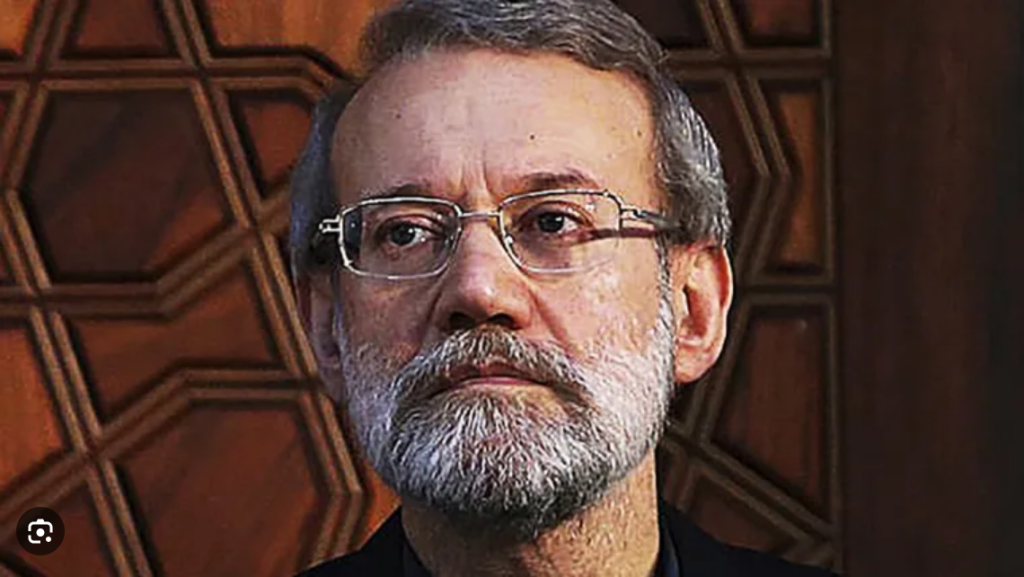
The assassination of Ali Larijani is not expected to immediately alter the military course of the confrontation between Iran and Israel, but it could have longer-term implications for the evolution of the conflict.
Larijani, a senior Iranian official and former parliamentary speaker, was associated with the conservative establishment and played various roles in key dossiers, including nuclear negotiations. He belonged to the narrow circle of figures involved in strategic policy debates and decision-making.
As analysts note, Iran’s governing structure includes multiple centers of power and has historically proven resilient in the face of high-profile losses. However, the removal of major leaders such as Larijani can still influence internal dynamics within the Iranian political system, potentially contributing over time to shifts in the balance between pragmatist and hardliner factions.
Moreover, the redistribution of responsibilities following an event of the magnitude of Larijani’s death may also affect how decisions are shaped in the near term.
Diplomatically, the impact may be more gradual. Iranian figures with experience across security and political issues have, at times, maintained indirect lines of communication with external actors, including the United States. Changes in personnel could therefore affect the availability or nature of these channels.
Consequently, the elimination of Larijani may further complicate efforts to contain escalation, depending on how internal dynamics evolve and how external actors respond to his death.